
Powered By

Award-Winning Legal Professionals at the Ready
Bicyclists are owed their fair share of the road, just like any other motorist. Even more caution than normal should be shown around bicyclists, too, because they are so vulnerable to the consequences of a wreck. Unfortunately, driver errors and negligence do not suddenly get better just because a motorist is driving near someone on a bicycle. Each day, terrible bicycle accidents can and do happen.
If you were in an accident while riding your bicycle, let Morris & Dewett Injury Lawyers help you make sense of what to do next. Our legal team would be happy to help you with every process related to your case. If you do not have health insurance, then please call us at (318) 221-1508 right away. We might be able to find a medical professional who is willing to treat you for a medical lien, which means they will get paid through your settlement or award if one is secured at the end of your case.
Bicyclists have very little protection against the impact of a collision with a larger vehicle. Helmets and pads can help, but they can only do so much. As a result, it is typical for a bicycle accident victim to suffer catastrophic injuries due to a driver’s momentary lapse in better judgment.
Serious injuries often reported in bicycle accident claims include:
Our bicycle accident attorneys can work with medical experts to get a full understanding of your injuries and how your life will be impacted by them for years to come. In doing so, we can better calculate your damages and make sure that you get enough compensation to cover everything.
An investigation into the circumstances leading up to your bicycle accident might be required if liability is contested or cloudy. We can use our collective legal experience and insight to uncover new evidence, as well as closely analyze preexisting evidence that might have already been collected at the scene of the crash. The goal is to prove that the driver who hit you did something wrong, not you.
Motorist mistakes that often lead to bicycle accidents include:
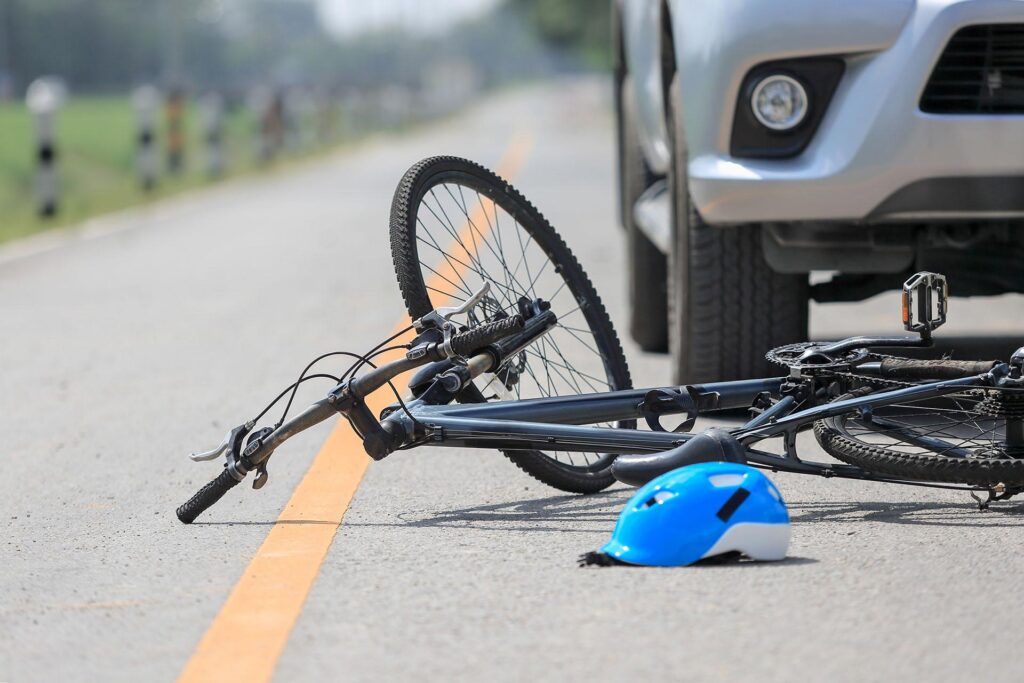
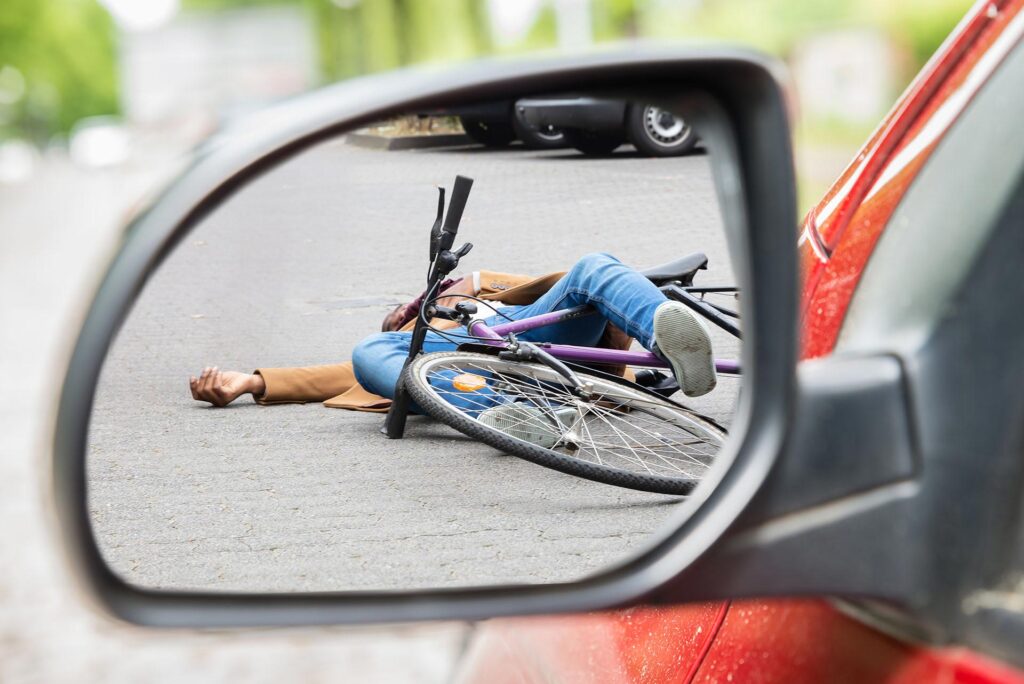
Were you wearing a bicycle helmet when your crash occurred? If you were not, then it could affect your liability and chances of securing a fair amount of compensation for your injuries. It depends on where you live, though.
In Louisiana, bicyclists only need a helmet if they are under the age of 12. Furthermore, the law says that not wearing a helmet cannot be “prima facie evidence of negligence” following a crash. In other words, you don’t automatically assume liability for your damages just because you did not wear a helmet.
In Texas, the bicycle helmet law is even less restrictive because there is no statewide helmet law. Any bicycle of any age can decide for themselves if they want to wear a bicycle helmet or not. Although, it could be possible for a defendant to argue that not wearing a helmet increased the plaintiff’s liability.
"*" indicates required fields