
Fort Washington Car Accidents
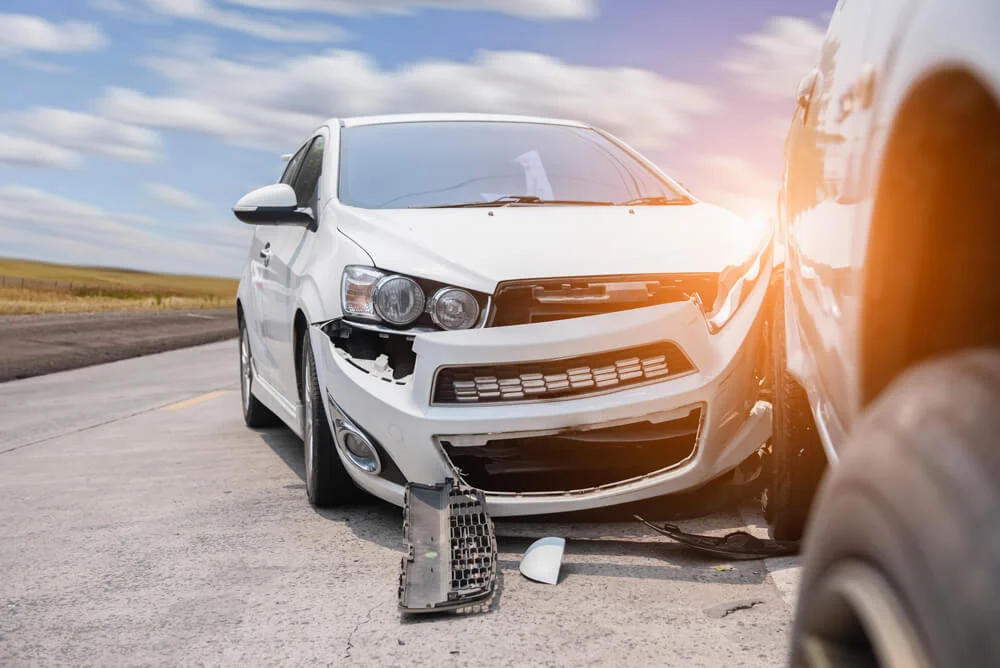
Fort Washington Car Accidents


Why are Accidents Frequent in Fort Washington?
Truck Drivers
Large trucks pass through the county every day as deliveries are made. When a driver approaches a large truck, they should slow down, give the driver a wide berth, and avoid sudden braking. Commercial truck drivers cannot weave through traffic like a traditional passenger car, and they cannot complete emergency stops in a short distance. Even if a large truck can perform an emergency stop, its brakes might overheat, lock up, or fail. If a large truck driver is forced to swerve out of their lane, they could cause a serious truck accident. A large truck also has blind spots that make it impossible for the driver to see cars along either side of the trailer. If a commercial truck driver wants to change lanes, they could easily hit someone who is lingering in their blind spot
Pedestrians
Pedestrians in the county might walk on the shoulders or use the sidewalks. Pedestrians are allowed to cross at any intersection, and they may cross at special crosswalks designated by the city. As drivers pass through Fort Washington, they might also encounter pedestrians who are running across the road where there is no crosswalk. Drivers should slow down and ensure that pedestrians can cross safely.
Uninsured Drivers
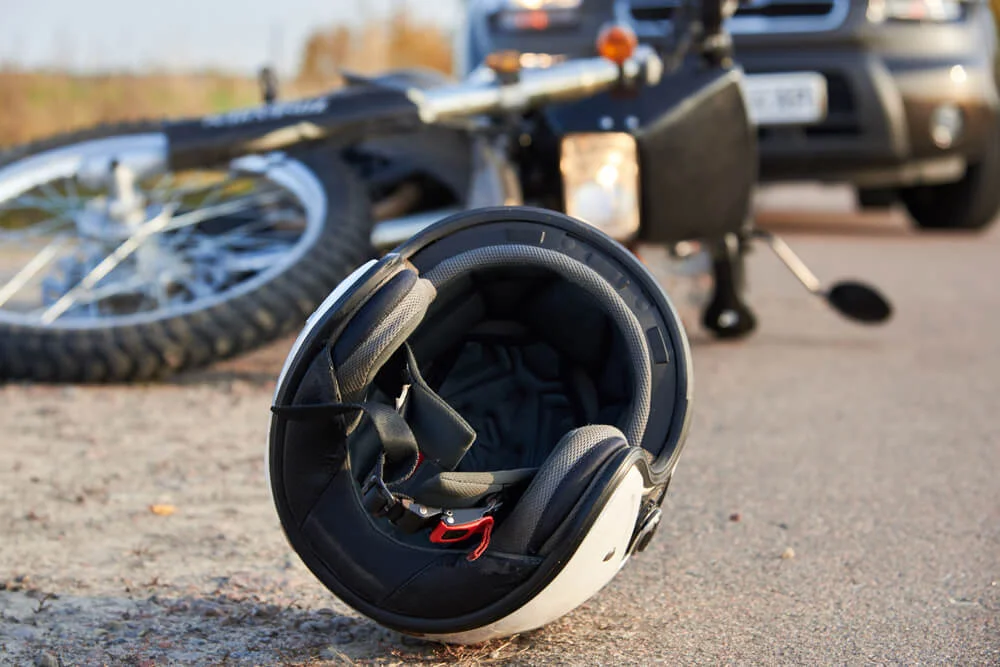
Motorcyclists
What Types of Car Accidents are Common in Fort Washington?
-
Side-Impact AccidentsA sideswipe might leave the vehicle damaged, force the driver off the road, or force them into another vehicle. A sideswipe is most common when a large truck driver hits someone who was sitting in their blind spot.
-
T-Bone AccidentsT-bone crashes often occur at intersections if drivers run stop lights or signs or turn into oncoming traffic. When a driver is T-boned, there is a massive, direct impact on the side of the car. Serious injuries or even deaths could result, and failures in the airbag or vehicle safety systems might make accidents even worse.
-
Ridesharing AccidentsRidesharing accidents add a second layer of liability that drivers are often not ready for. When the ridesharing driver does not have passengers or is not working, their insurance company should be used to recover compensation. If the driver has passengers in their vehicle, the company they represent has insurance that will pay for the accident. Talk to a car accident lawyer to review liability.
-
Rear-End WrecksRear-end accidents might occur between two vehicles in slow traffic. This is why distracted driving is so dangerous. Drivers assume traffic is proceeding as normal, and they are caught off-guard when they must make emergency stops. Rear-end impacts are even more severe when they involve large trucks or cargo vehicles. Drivers who feel a rear-end accident is about to occur should try to move up or turn out of the way.
Common Causes of Car Accidents

Speeding
Speeding killed nearly 9,400 people across America in 2018, and it factors heavily in many other accidents that involve serious injuries. Someone who is speeding may not know how fast they are going, or they feel as though their speeding is warranted because the road is clear, or it seems safe to do so. Speeding drivers must slow down and abide by all posted speed limits. Since speed limits change often, drivers should keep their eyes on the road so that they can see any speed limit signs. As a general rule, speed limits rise on interstates when exiting city centers and slow as the roads become more congested. The same is true with surface streets.
Drunk Driving
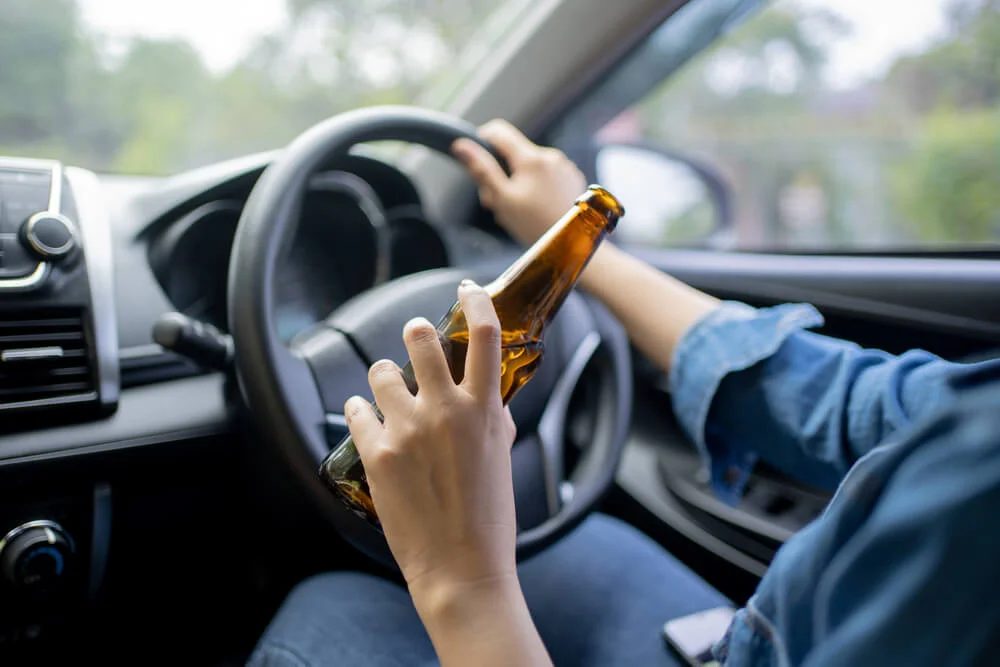
A designated driver should be assigned whenever drinking and driving home is involved during a night out. It is advised to either use a ridesharing service, walk home, or stay at a friend’s house if a designated driver is not available. While drunk driving is a serious matter, anyone who is intoxicated can be charged with driving under the influence (DUI), even if they are impaired by prescription medications.

Drowsy Driving
Drowsy drivers run the risk of falling asleep at the wheel, but they also have reduced reaction times and reflexes behind the wheel. Drowsy driving before or after work puts the driver in danger because they are navigating on congested roads. Drowsy drivers and drunk drivers are similar. They sway, weave in and out of traffic, speed up and slow down at odd intervals, and forget to use their headlights or turn signals. Drivers should avoid drowsy driving by carpooling, getting more sleep at night, or use public transportation, rideshare services, or walk to work.
Distracted Driving
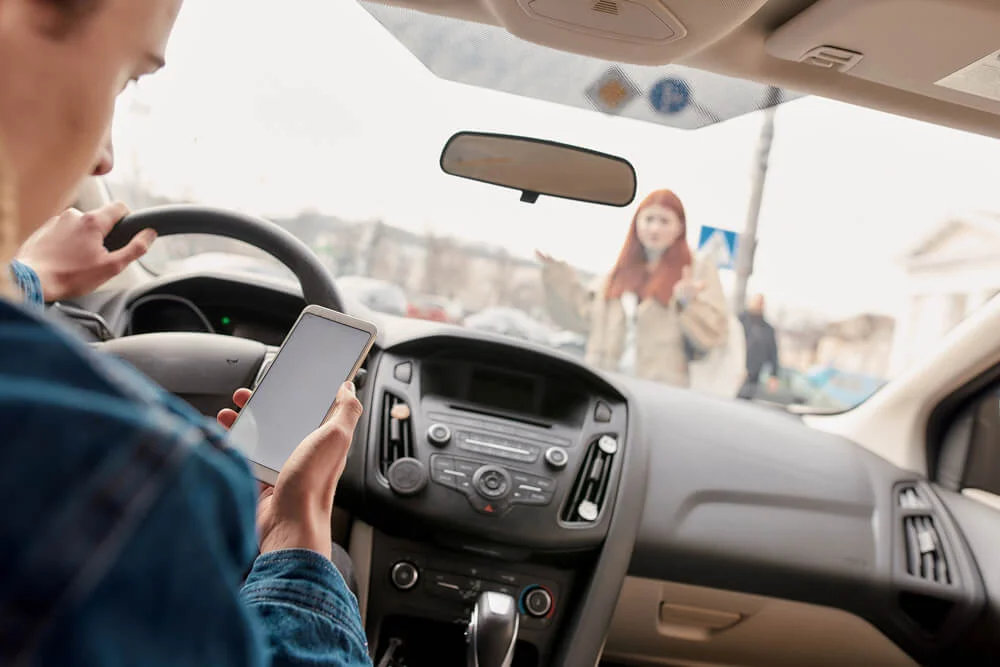
A driver can become distracted by talking to a passenger or checking their phone. Drivers who need directions or wish to take phone calls should use the sync systems in their cars. Distracted drivers can also take their eyes off the road while believing they are paying attention. Some distracted drivers even read or eat at the wheel, believing they can multi-task. This is not always the case, and it is dangerous to do anything other than drive after starting the car.
Reckless Driving
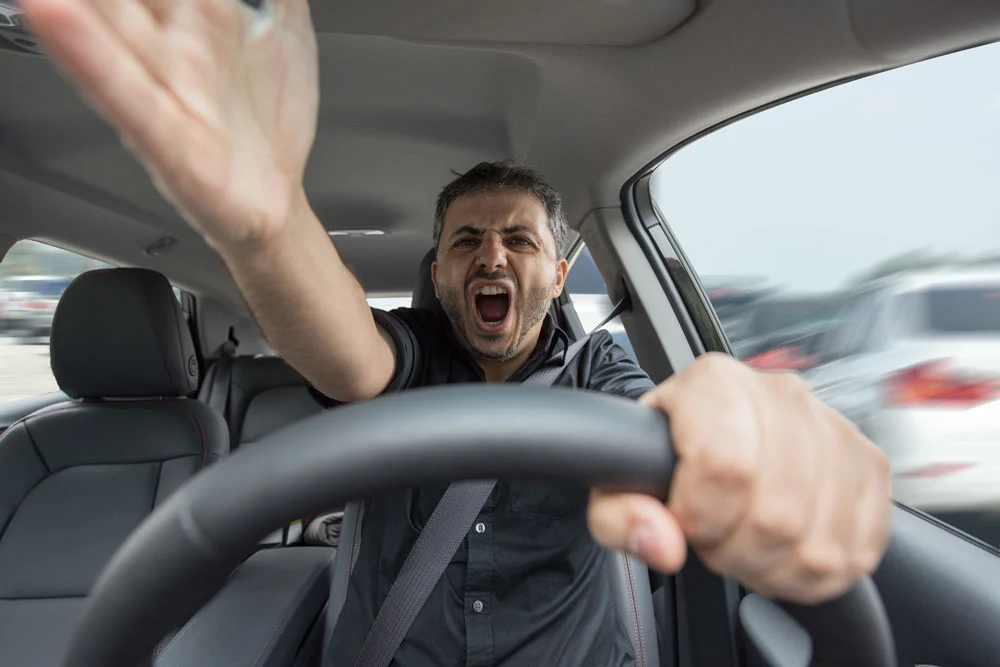
Reckless driving is dangerous because it is unpredictable. When someone sees a reckless driver on the road, they should pull over, slow down, and try to get out of the way. It is much safer to avoid these drivers than it is to confront them. If the other driver’s behavior is especially frightening, it may be necessary to call local law enforcement to report that driver. Some drivers believe they were not reckless because of seemingly simple driving maneuvers. However, drivers around them might have been forced to swerve out of the way or stop suddenly. Be mindful of surroundings and abide all traffic laws.

What Injuries Occur in Car Accidents?
Broken glass, hot metal, and the impact of an airbag are enough to cause injuries. For example, the airbag is meant to reduce the force of the impact, but the explosive opening of the airbag is not necessarily pleasant. While these injuries are easy to see, anyone involved in a car accident might experience hidden injuries that could be severe or even deadly.
Whiplash is the most common hidden injury. Anyone can get whiplash because their head snaps forward and then back against the headrest. The sudden movement of the neck is what causes whiplash. The pain starts in the shoulders, and most people ignore symptoms because it makes sense that they would be in pain. When a victim is not checked by a medical professional, their pain worsens. They often assume that it is taking longer to get over the accident. Whiplash remains in the neck and shoulders, and it can even cause headaches, nausea, and a severe lack of focus. Some people are so distracted by their pain that they cannot work.
Internal bleeding is another hidden injury. No one knows that they have internal bleeding because these bleeds must be diagnosed by medical professionals. The pain might start in an area of the body that could easily have been injured in the crash. The victim goes home, hoping to recover, and their internal bleeding worsens until they are hospitalized, or they pass away. Internal bleeding may also be related to internal organ damage. For example, someone who suffered from a perforated spleen may not realize their pain goes deeper than the muscles in their abdomen. Even if these injuries are diagnosed, they could lead to a long recovery that is very expensive. Some people may need transplants because their organs are damaged beyond repair.
Another injury that is easily missed is a closed head injury. The victim could hit their head on a variety of objects in the car. Closed head wounds do not have blood or visible bruises. A victim can go home with a headache, assuming that it will go away. The victim, however, can suffer from migraines, nausea, memory loss, and even bouts of fainting.
What can I Do at the Scene of a Car Accident?
While a car accident can be a staggering and traumatic experience, drivers should consider how they can be helpful at the scene. At the scene of any car accident, it helps to do the following:
-
Call Emergency ServicesEmergency services should be contacted right away.
-
Receive Medical AttentionWhile going through this process, remember that being examined by emergency personnel is not always enough. A doctor or hospital can conduct thorough examinations and administer professional medical care.
-
Obtain EvidencePictures of the accident scene and even the victim’s injuries can be used during a lawsuit. Eyewitnesses can provide additional information that crash victims do not have.
-
Call a LawyerCalling a lawyer expedites any legal action that might be taken.
How Do I Receive Compensation?
Can the State Reduce My Compensation?
Do I Need a Lawyer?

Am I Eligible to File a Wrongful Death Lawsuit?
A wrongful death lawsuit may be filed in Maryland when someone has died due to the negligence of another party. In Maryland, someone who represents the deceased’s estate can file suit. This person may be an executor or administrator who has control over the estate and its assets. When the wrongful death lawsuit is filed, the estate can request the same damages that can be paid in a personal injury lawsuit. For example, the deceased may have medical bills that accrued before their death. The estate must pay legal fees to the probate court, and the family can recover damages for pain and suffering.
The state can levy punitive damages against the at-fault person or company. Punitive damages are not capped, but compensatory damages for pain and suffering in Maryland are currently capped at $890,000 for 2020. The wrongful death cap adds to these damages, and that figure can rise to as much as $1 million. Speak to a car accident lawyer when discussing possible compensation after losing a loved one in a car accident. Acting quickly helps the victim’s family file their lawsuit within the three-year statute of limitations in Maryland.
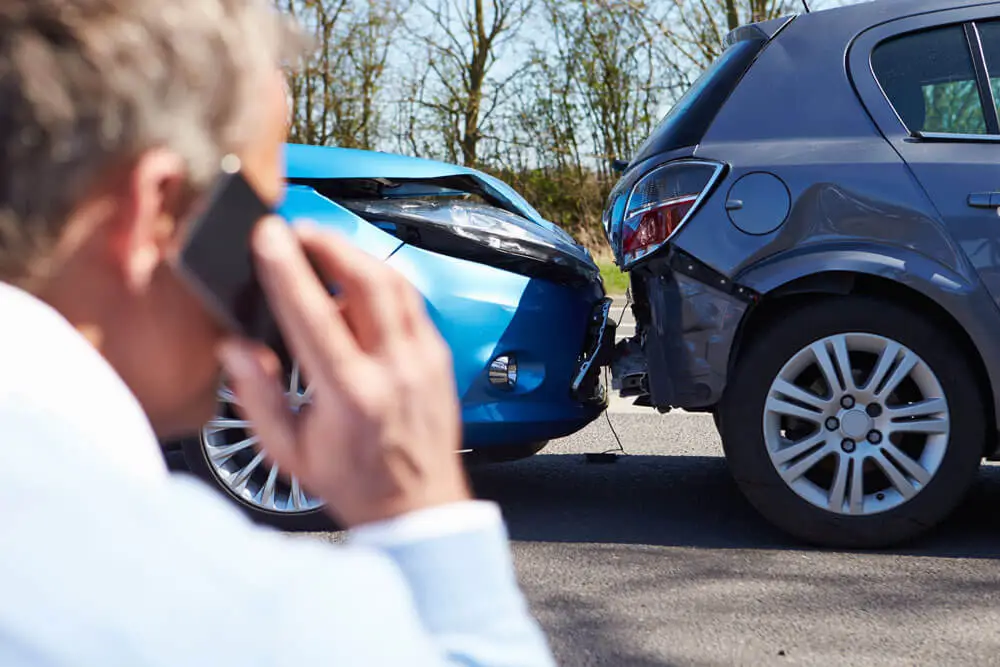
Fort Washington Car Accident Lawyers at the Law Offices of Duane O. King Assist Injured Car Accident Victims
If you were recently injured in a car accident, reach out to one of our Fort Washington car accident lawyers at the Law Offices of Duane O. King for assistance. Call us at (202) 331-1963 or contact us online for a free consultation. Located in Washington, DC, we serve clients throughout Prince George’s County, including Laurel, Beltsville, Adelphi, College Park, Greenbelt, Mitchellville, Woodmore, Greater Upper Marlboro, Springdale, Largo, Bowie, Capitol Heights, District Heights, Forestville, Suitland, Seat Pleasant, Clinton, Oxon Hill, Temple Hills, and Fort Washington.